
Medical Professionals
We are here to guide you to the most recent research and resources.
Caring for Melo Patients
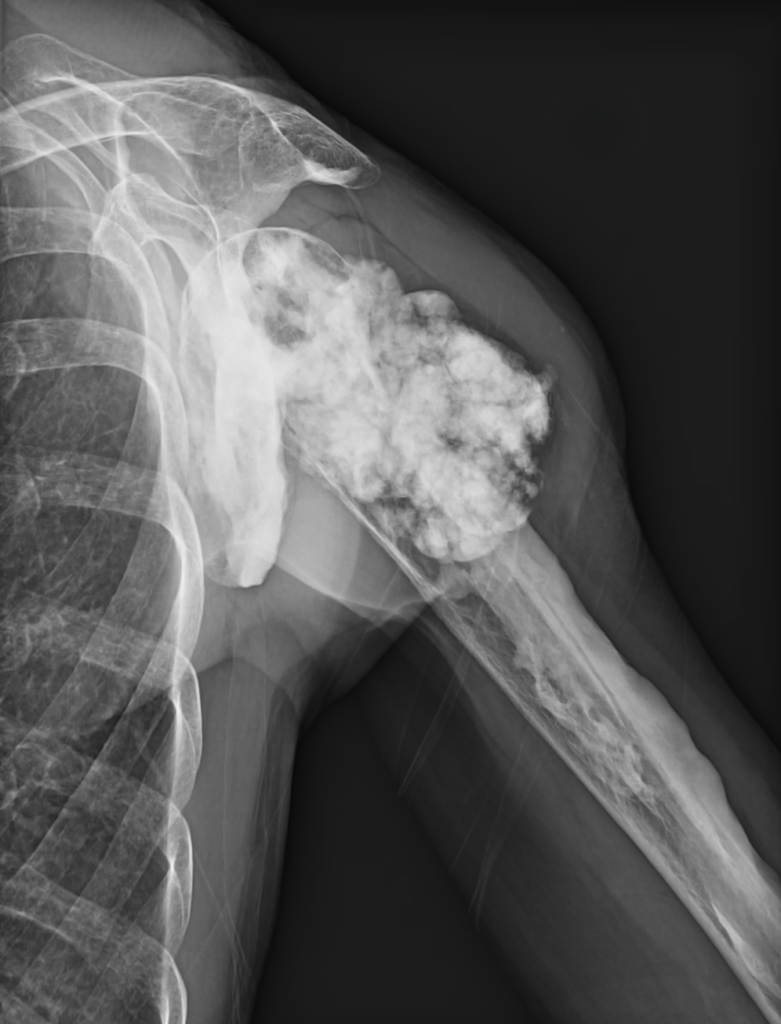
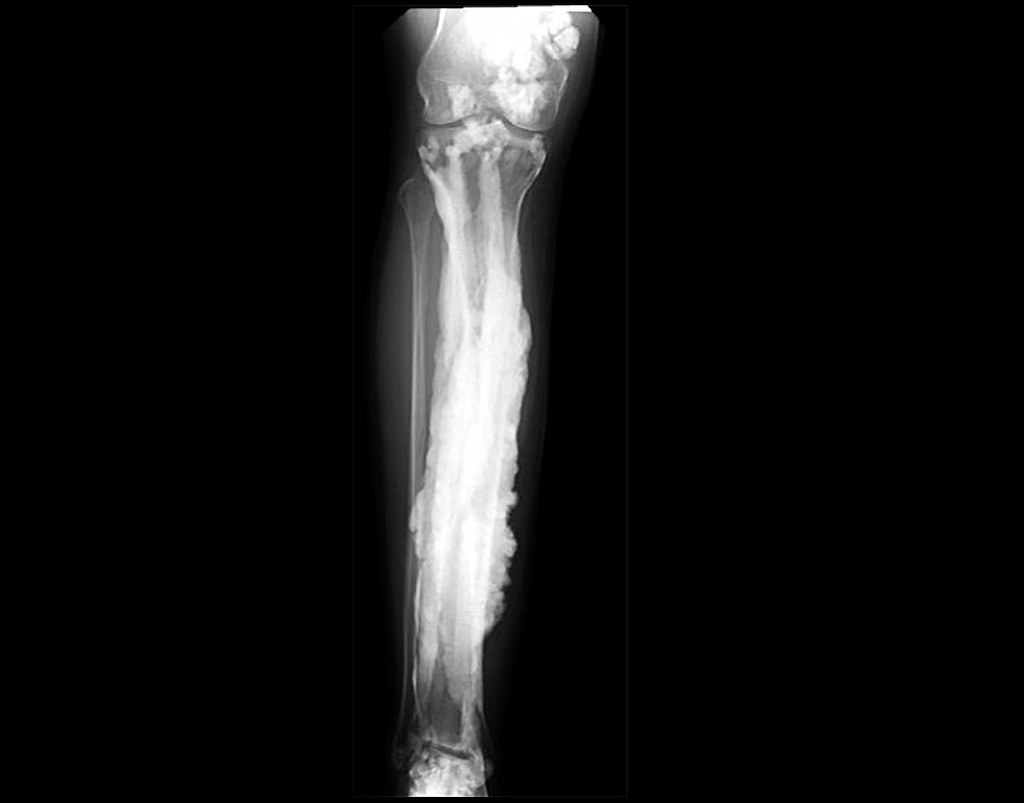
Melorheostosis is a rare, non-hereditary sclerosing bone dysplasia characterized by cortical hyperostosis. Given its rarity, and variable presentations and complications, clinicians play a critical role in early recognition, appropriate management, and coordination of often multidisciplinary care. This page provides a concise overview to support providers caring for those with melorheostosis.
Resources for Doctors & Researchers
Research
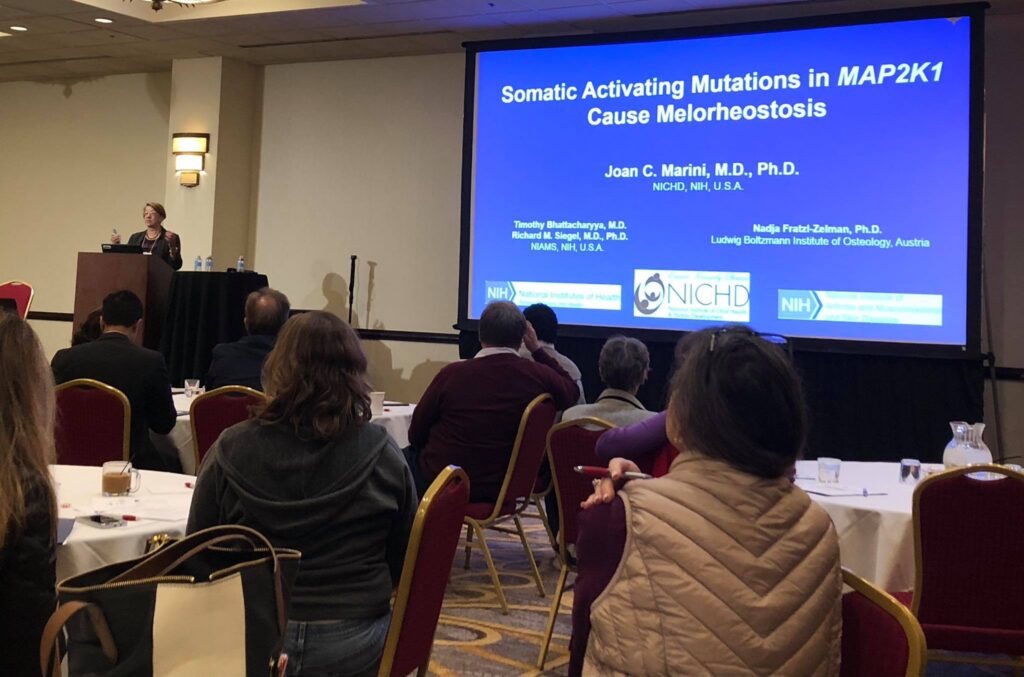
Learn more about recent research into the causative genes identified for various forms of melorheostosis, along with case studies on patient experience and symptom management.
Ongoing Patient Studies
The National Institutes of Health has an ongoing natural history and pathogenesis study designed to better understand the causes, progression, and biological mechanisms of the disease. Participants undergo detailed clinical evaluations and are followed over time. We encourage all adult patients to participate in the clinical assessments, follow-up protocol, and research-focused testing to identify gene mutations and potential treatment pathways.
This work has already contributed to important discoveries, including the identification of somatic mutations (e.g., MAP2K1, SMAD3) that help explain disease development and may inform future treatments or therapies.