
Research
Read on for the latest details on our long-term study at NIH, recent publications, as well as research and pharmaceutical opportunities.
A Call to Pharmaceutical Partners
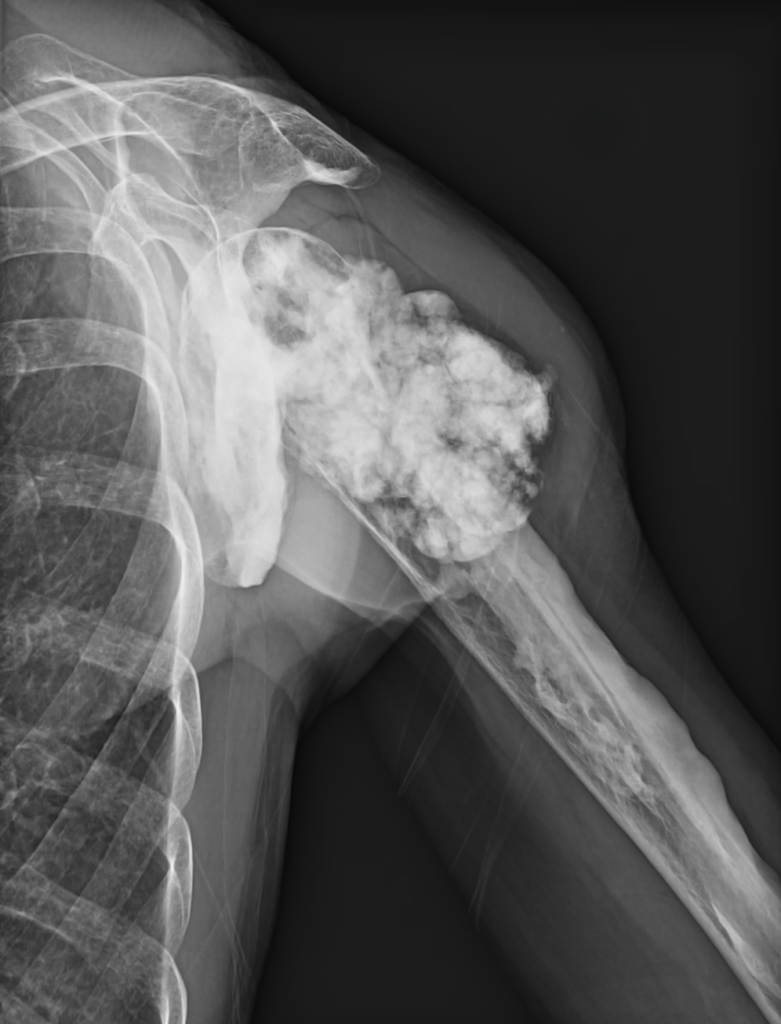
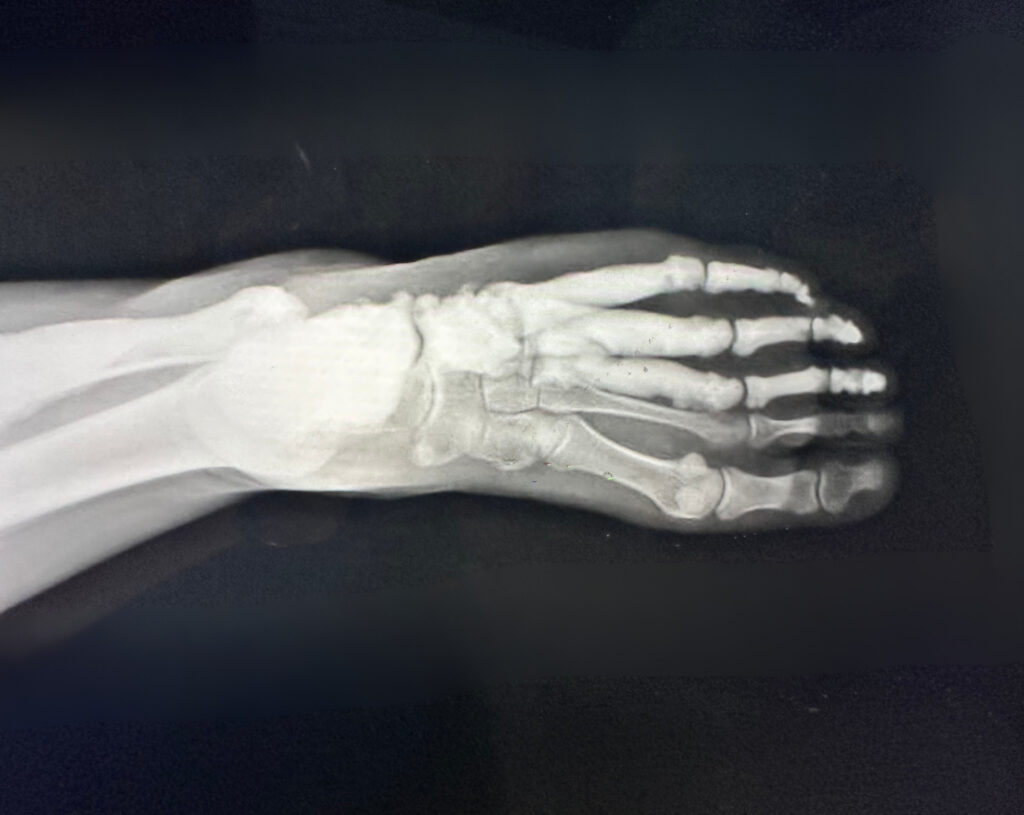
Melorheostosis is a rare, sporadic, mosaic, and often progressive musculoskeletal disorder characterized by abnormal cortical bone growth, described radiographically as resembling “dripping candle wax.” Affecting approximately 1 in 1 million individuals worldwide, melorheostosis presents a critical opportunity for innovation in rare disease therapeutics. Melorheostosis continues as an orphan disease. The etiologies of melorheostosis have been revealed in the past few years, now providing the basis for developing pharmacologic treatments.
The Melorheostosis Association is dedicated to improving patient outcomes by accelerating research, while fostering strategic partnerships with pharmaceutical leaders to leverage recent advances to address this significant unmet medical need.
Resources for Doctors & Researchers

NIH Natural History Study
This ongoing NIH natural history study follows adults with melorheostosis over time to understand how the disease progresses and identify the underlying genetic and biological mechanisms. By combining imaging, clinical evaluations, and genetic testing, the study aims to discover biomarkers, improve symptom and complication management, and provide infrastructure for development of future therapies.
Dr. Timothy Bhattacharyya at the NIH provides melorheostosis overview and study results: “Unraveling melorheostosis: insights into clinical features, diagnosis, and treatment”
“Ripe for Drug Discovery” presentation from Dr. Timothy Bhattacharyya
Recent identification of mutations in several genes: MAP2K1, SMAD3, KRAS, and LEMD3 provide etiology and broaden pathogenesis for melorheostosis.
These discoveries emerged from:
- A motivated and connected patient base
- Chronic disease burden
- Emerging pathobiology
- Measurable disease endpoints
- FDA pathways aimed to shorten time to success
Contact: Dr. Timothy Bhattacharyya
timothy.bhattacharyya@nih.gov
Broad Relevance of Melorheostosis Research
Video from Fred Kaplan, M.D., Medical Panel Chair Emeritus, discussing the relevance of melorheostosis research to the understanding of more common skeletal diseases.
Contact the Melorheostosis Association
To explore partnership opportunities, research collaboration, or clinical development initiatives, connect with us today.