
Understanding Melorheostosis: A Guide for Adults Living with This Rare Condition
Living with a rare disease like melorheostosis can feel isolating—but you are not alone! This page is designed to help you better understand your condition, explore ways to manage your health, and connect with a supportive community.
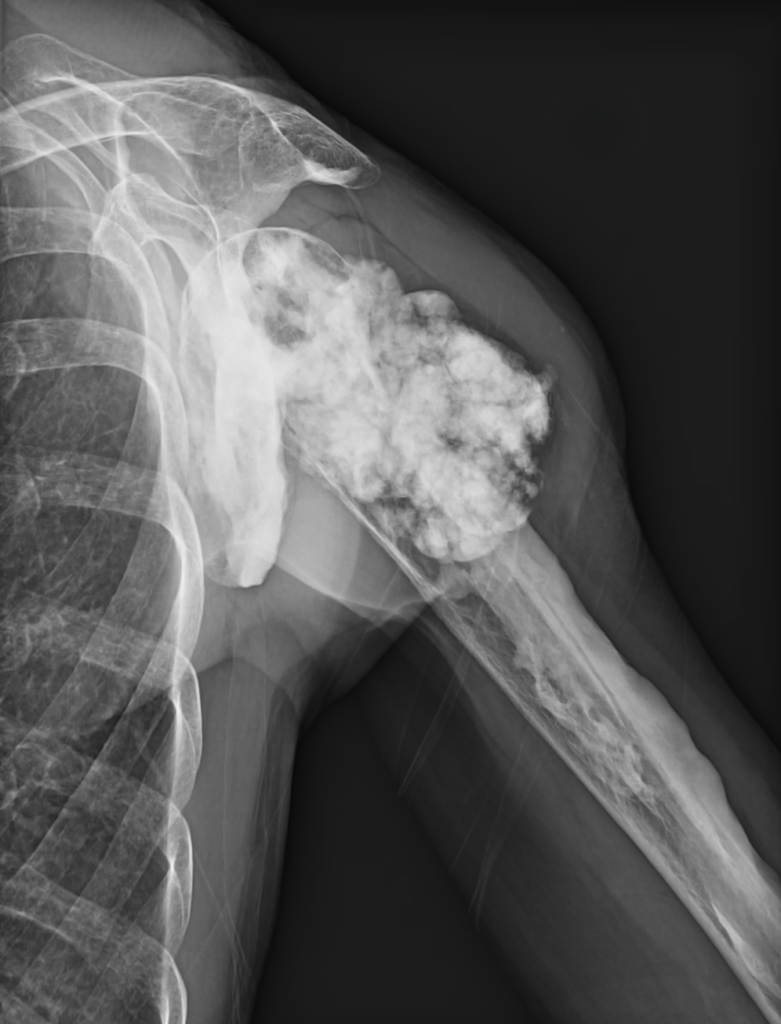
How is Melorheostosis Managed?
There is currently no cure for melorheostosis, but many treatments can help manage symptoms and improve quality of life. It is also extremely important to remember to maintain your overall health; other medical factors can make your melo symptoms worse. Taking care of general health should be the number one priority in taking care of melo.
Common treatment approaches:
- Pain management: NSAIDs or other medications to reduce inflammation and discomfort. Stronger prescription drugs can be helpful when pain is excruciating. Even topical treatments such as CBD salves (where legal/available) can be helpful.
- Physical therapy: A cornerstone of care to improve mobility, strength, and function. Maintaining mobility is key in melo care. Melo patient, Joanne, always says, “MELO is short for Move, Every, Limb, Often.”
- Surgical options: while not always successful or right for every case/type of melo, surgery can be helpful in certain circumstances, depending on the case.
Because the disease varies from person to person, care is often multidisciplinary, involving orthopedic specialists, pain management experts, physical therapists, and primary care.
Connect With Others Who Understand
One of the most powerful ways to navigate a rare disease is through community.
Melorheostosis Association
A dedicated nonprofit organization focused on research, education, and patient support. We connect individuals and families worldwide and work toward treatments and cures.
Ways to get involved:
- Join the patient community
- Share your personal history to help raise awareness
- Sign up for the newsletter to stay informed on research and events
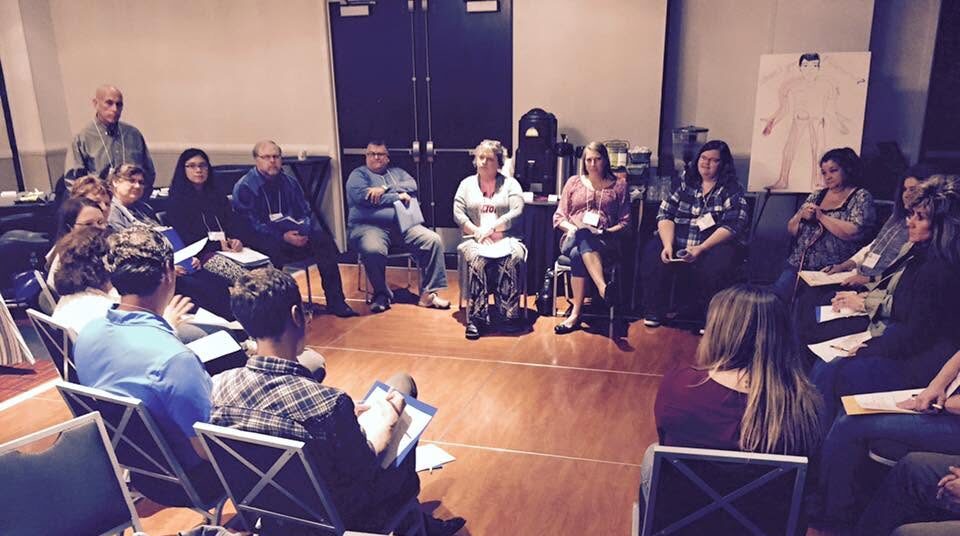
- Attend a Melorheostosis Association Conference
- Get updates on the latest research
- Participate in patient case studies with melo medical professional experts
- Meet other patients, doctors, and researchers
Facebook Support Groups
Many patients find comfort and practical advice in our online community. Join today and share your story! Learn from others on their:
- Every day experiences
- Tips for managing symptoms
- Guidance for navigating your experience with melo
Participate in Research (and Make a Difference)
Research is critical for rare diseases—and patients play a key role.
National Institutes of Health (NIH)
The NIH is actively studying melorheostosis through long-term research programs aimed at understanding causes and developing treatments.
By participating, you’ll:
- Gain access to experts in rare bone diseases
- Contribute to scientific breakthroughs
- Help future patients receive better care
Find out more information about the NIH Study and how to participate.

You Are Not Alone
Melorheostosis may be rare, but there is a growing network of patients, researchers, and advocates working together every day. With the right care, community, and information, you can take meaningful steps toward managing your health and improving your quality of life.
If you’re starting your journey—or looking for new ways to stay connected—consider reaching out, sharing your story, and staying informed. Every voice matters. We’re all in this together!