Participate in Research
Why Your Experience Matters
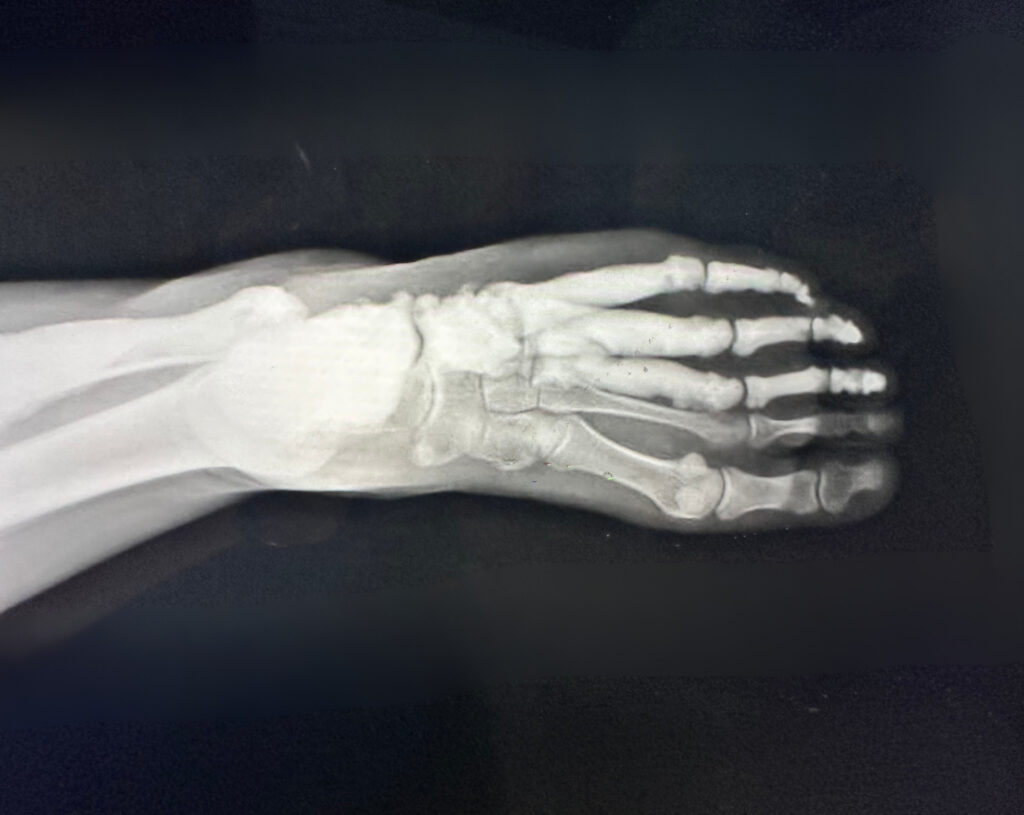
You Are the Expert: Doctors see the x-rays, but you live the experience. By participating in “Natural History” studies, you help researchers understand how the disease progresses over the years—something that cannot be captured in a single office visit.
Driving Towards a Cure
Every clinical trial and genetic study brings us closer to targeted drug therapies. Because our community is small, every single participant significantly increases the statistical power of a study. Your involvement could be the tipping point for gene discoveries or a new treatment approval.
Mapping the Genetics
Research into mutations like MAP2K1, SMAD3, LEMD3, and KRAS only happens because patients donate tissue or blood samples. This work helps explain why the disease starts and, more importantly, how we might slow or stop progression.
Improving Diagnosis for Others
On average, it takes rare disease patients years to get a correct diagnosis. Research helps create standardized diagnostic criteria, ensuring the next generation of patients doesn’t hear “good luck” but instead hears “here is the plan.”
Benefits to You
Participate in the Study
- The study is open to any adult (18 and older) melorheostosis patient from anywhere in the world
- There is no cost to patients for any services at NIH (patients pay their own transportation to and from NIH)
- You and your current doctor can receive full results for all tests performed
- Enrollment is open and ongoing!
Are you interested in participating? If so, review the following documents and steps prior to emailing Nancy Spencer, NIH Research Nurse. Once you have your records ready to mail and the demographic information form completed, email Nancy indicating your interest and demographic information.
- Demographic Information – fill out and save this form to attach to your participation email.
- Collect Your Records – mailing your records (x-rays, images, etc) via UPS or FedEx is required prior to acceptance in the study. Patients must submit their most recent images documenting their melorheostosis for acceptance into the study. If you have prior records or additional images to share, you may bring those along when you participate in the study.
Nancy Spencer | NIH Research Nurse
nancy.spencer@nih.gov or 301-435-8434
(Note, email is the best way to submit the demographic information needed to participate.)
Prepare to participate in the study by reviewing the additional information below. Reach out to us or contact melo patients in the Facebook group with any questions about participating, so you know what to expect and how to make the most out of your experience.
- Review the Study Consent – no need to sign and send a copy, just review so you know what the study entails. You will formally sign upon admission at NIH.
- Review the Study Overview – learn more about participation.
- Check out our Facebook Group Tips – learn more about the patient experience during the study. Ask questions of your fellow Melo Warriors who have participated!
Have questions about participating? Reach out to Amanda Shapiro, Melorheostosis Association secretary.
Learn More About the NIH Clinical Center
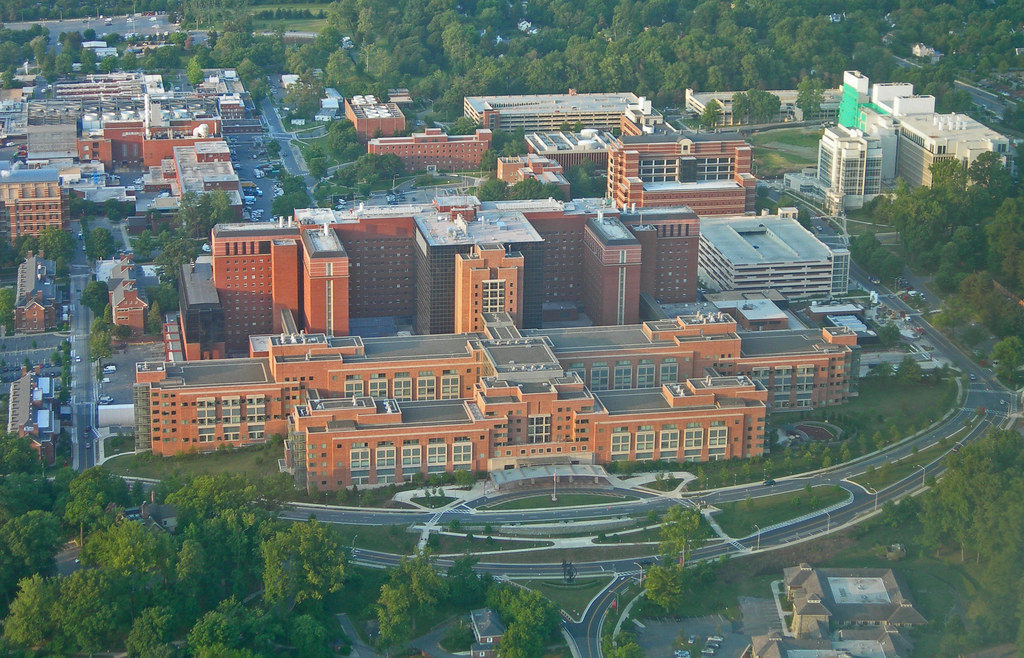
The National Institutes of Health (NIH) is the United States’ foremost research center located near Washington, DC. Patients are being seen at the NIH Clinical Center – the largest hospital in the United States devoted entirely to clinical research. The Melorheostosis Association greatly appreciates NIH’s commitment of its vast resources to work toward finding answers for melorheostosis patients. Click here to learn more about the Clinical Center’s commitment to advancing research.


Be Part of Something Bigger
Melorheostosis is a rare condition—but together, we can accelerate progress.
As part of the study, we’ve created a patient journal that is graciously cared for by the NIH Patient Library. The journal tells our stories and connects all who participate in the research
Join us. Be part of the research. Share your experience and help shape the future of melorheostosis.