
Advancing Therapeutic Innovation in Melorheostosis
A Call to Pharmaceutical Partners
Melorheostosis is a rare, sporadic, mosaic, and often progressive musculoskeletal disorder characterized by abnormal cortical bone growth, described radiographically as resembling “dripping candle wax.” Affecting approximately 1 in 1 million individuals worldwide, melorheostosis presents a critical opportunity for innovation in rare disease therapeutics. Melorheostosis continues as an orphan disease. The etiologies of melorheostosis have been revealed in the past few years, now providing the basis for developing pharmacologic treatments.
The Melorheostosis Association is dedicated to improving patient outcomes by accelerating research, while fostering strategic partnerships with pharmaceutical leaders to leverage recent advances to address this significant unmet medical need.

The Unmet Medical Need
Melorheostosis causes progressive bone thickening, chronic pain, joint deformities, and severe functional limitations, typically beginning in childhood or adolescence.
Melorheostosis causes:
- Persistent and debilitating pain
- Reduced mobility and range of motion
- Limb deformities and contractures
- Soft tissue and skin involvement
- Long-term disability impacting quality of life
Despite these profound clinical burdens, there is currently no cure and no disease-modifying therapy available.
Existing treatment strategies are limited to symptom management, including NSAIDs, prescription drugs, physical therapy, and surgical intervention—many of which provide only temporary relief and may involve recurrence or complications.
Scientific Opportunity: A Pathway-Driven Disease
Recent advances have significantly improved the understanding of melorheostosis at the molecular level.
Research has identified mutations in MAP2K1, SMAD3, KRAS, and some germline mutations in LEMD3, highlighting the disease’s biological complexity and its connection to bone formation and signaling pathways.
These discoveries position melorheostosis as:
- A genetically tractable disease model
- A candidate for targeted molecular therapies
- A potential platform for precision medicine approaches
Importantly, dysregulation in pathways such as MAPK signaling suggests clear therapeutic targets that align with existing pharmaceutical expertise in kinase inhibition and pathway modulation.
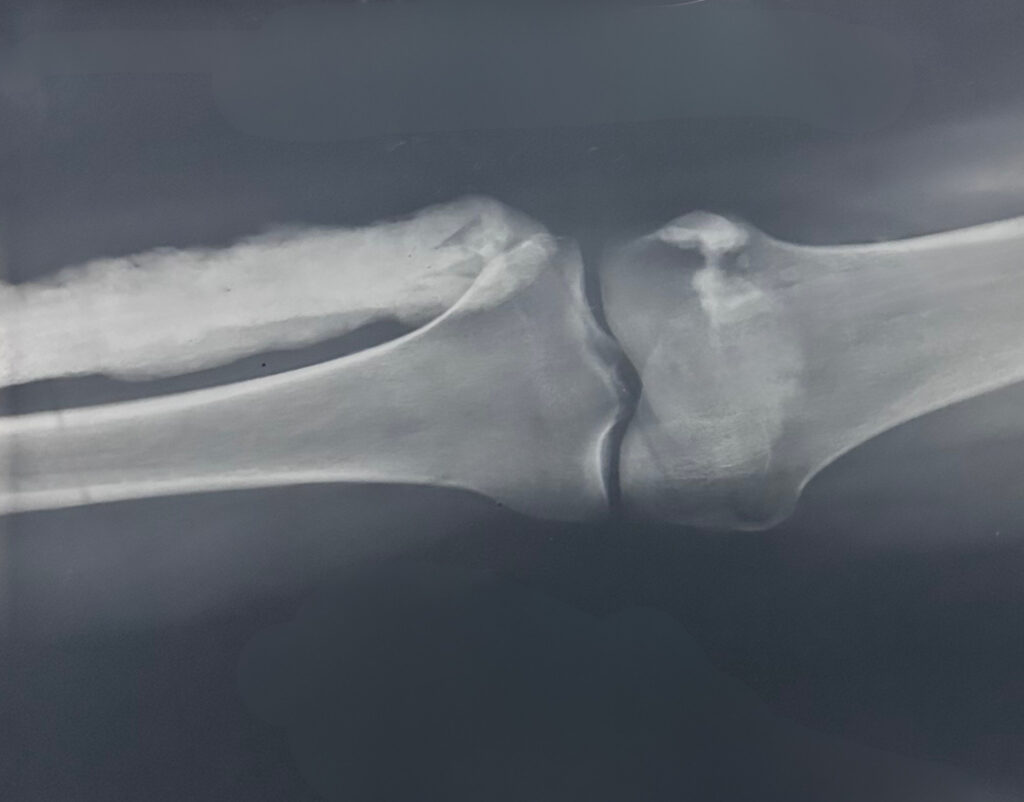
A Rare Disease with High Impact Potential
While melorheostosis is rare, it represents a compelling opportunity for pharmaceutical investment:
Orphan Drug Development Potential
The low prevalence aligns with orphan drug designation pathways, offering:
- Regulatory incentives
- Market exclusivity
- Accelerated approval pathways
Clear Clinical Endpoints
Disease burden is measurable through:
- Pain reduction
- Functional mobility
- Radiographic progression
- Quality-of-life metrics
High Unmet Need = High Value
With no approved therapies, any effective treatment would represent a first-in-class innovation.
Emerging research emphasizes the need for collaborative clinical studies to translate molecular findings into therapeutic solutions.
Why Partner with the Melorheostosis Association?
The Melorheostosis Association serves as a strategic bridge between patients, researchers, and industry partners.
We facilitate:
Patient Access & Engagement
- A connected and motivated patient community
- Support for patient recruitment and retention in clinical trials
Research Collaboration
- Alignment with academic and clinical experts
- Access to emerging data and disease insights
Advocacy & Awareness
- Amplification of research initiatives
- Support for regulatory and funding pathways

Contact the Melorheostosis Association
To explore partnership opportunities, research collaboration, or clinical development initiatives, connect with us today.